Introducing Wheat And Gluten To Your Baby

Updated: 29th Oct, 2023
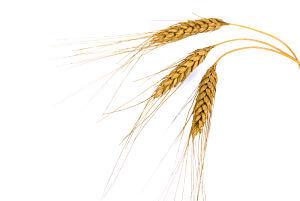
Wheat, rye, barley and oats all contain gluten.
This page explains the types of reactions these foods may trigger and how to spot any problems.
IMPORTANT: The information given here is meant as a guide.
Always discuss the introduction of any new foods with your child’s doctor and always seek professional medical advice if you are concerned that your baby is experiencing an adverse reaction to any food.
What is gluten?
Gluten is a protein made up of glutenin and gliadin and is responsible for the elasticity of bread dough.
Wheat contains a higher amount of gluten than any other grain, but it is also found in barley, rye and – to a lesser degree – in oats (read more about preparing oats for your baby here).
Foods that commonly contain gluten include bread, pasta, flour and rusks/teething biscuits.
What digestive problems are associated with wheat and gluten?
Wheat allergy
True wheat allergy is fairly uncommon and should not be confused with wheat intolerance.
A wheat allergy is a response from the immune system to certain wheat proteins.
It is identified quite easily because reactions usually take place within 2 hours – and sometimes only minutes – of wheat being consumed.
Signs of an allergic reaction include
- rashes
- hayfever-like symptoms
- breathing difficulties (sometimes severe)
Should your baby display these or any other symptoms, seek medical advice immediately.
Wheat intolerance or gluten intolerance
Intolerance is not an allergic reaction, but occurs when the body has difficulty digesting certain foods.
Wheat intolerance is more common than wheat allergy and can cause quite severe gut reactions.
Although allergies may be outgrown, intolerances to certain foods are usually life-long, so the troublesome food has to be permanently avoided.
Always consult your child’s doctor should you suspect that your baby is sensitive to a particular food.
Celiac disease
Celiac disease (also known as coeliac disease, gluten enteropathy or gluten intolerance) is a life-long intolerance to gluten.
This means that a person with celiac disease cannot eat wheat, barley, rye, oats, or any food containing them.
Celiac disease is a serious condition, where the body’s immune system mistakenly treats gluten as a harmful substance.
Eventually, damage to the small intestine prevents it from processing the nutrients from other foods.
This leads to serious nutritional problems.
Celiac disease tends to run in families.
The symptoms of coeliac disease in babies tend to be spotted between 9 and 18 months of age and include
- diarrhea
- weight loss, or poor weight gain
- anemia
- lack of appetite
- malnutrition
- bloated stomach
- restlessness and irritability
- dermatitis (itchy rash)
| RELATED: Wheat flour alternatives for a wheat-free diet.
When should I introduce wheat and other foods containing gluten to my baby?
The UK Department of Health states that these foods should not be introduced before baby is at least 6 months of age and should NEVER be used as first weaning foods for a baby with a family history of coeliac disease or allergies.
This article from the Department of Pediatrics, University of Chicago, states how experts believe that introducing gluten to a baby’s diet during the first 3 months of life increases the baby’s risk of developing coeliac disease by 5 times.
It also indicates that the risk is high if the introduction of gluten is delayed past 7 months.
Coeliac UK recommends that, after 6 months of age, foods containing gluten are given to baby regularly in normal, adequate amounts.
This is so that any adverse reactions can be easily spotted and identified.
If baby is only fed small amounts of foods containing gluten – or fed them very infrequently – the pattern of symptoms may be inconsistent, delaying diagnosis.
As with any new food, you should always discuss the introduction of wheat and gluten with your child’s doctor BEFORE giving them to your baby.
How wheat germ can provide a huge nutritional boost to your baby’s diet.
Useful links for more information
The huge advantage of making your baby’s food yourself is that you know EXACTLY what it contains.
Strangely, some commercial weaning foods DO actually contain gluten – so, if you plan to use these at all, be careful to check the labelling.
Make sure you only give your baby gluten-free products when he is under 6 months of age.
More Recipes and Tips...
Wheat free birthday cake recipes
Baby food allergies – main page