Making Baby Food For Your 10-12 Month Baby
Updated: July 20th, 2023
Making baby food at this stage is a lot of fun.
Your amazing baby has developed some wonderful new skills and you feel more confident in choosing the right foods for him.
After months of pureeing, mashing and carefully introducing new foods, making baby food now become a little easier.
Your baby is probably enjoying more textured foods and has sampled a wide variety of flavours.
You are now in a better position to cater to your baby’s tastes, because you have been able to identify just what he likes … and what he doesn’t!
Remember, though, that your baby’s tastebuds are developing all the time.
So don’t give up on a particular type of food … just try it again from time to time. You may be surprised by his reaction!
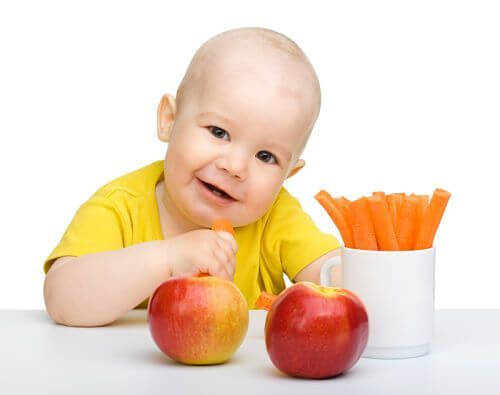
Wholesome baby food recipes for your 10-12 month baby …
Making baby food at 10-12 months – What are my baby’s nutritional needs?
At this stage, your baby needs to be obtaining calories from a range of healthy sources.
He also needs about twice as much calcium as he did at birth (see Calcium Requirements of Infants, Children, and Adolescents for more information).
Calcium is necessary for strong bones and teeth – it helps the teeth resist decay and maintains healthy gums.
Iron is another essential part of his diet, supporting both growth and development.
It plays a major role in forming haemoglobin, the part of the red blood cells that carries oxygen to the body’s tissues. Iron is particularly crucial in brain development.
Poultry, beef, pork, fish, legumes and wheat germ are all good sources of iron and also provide protein, which is essential for growth.
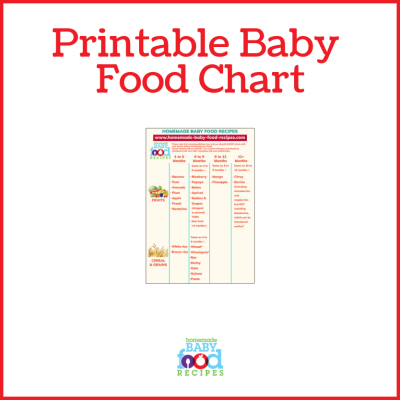
This baby nutrition table lists the key components of a healthy, balanced diet for your baby and shows you the foods to include on baby’s menu.
Why fats play an important part in your baby’s diet
I’m worried my baby isn’t eating enough
A baby at this stage may sometimes seem to be eating less food than he was before.
DON’T PANIC – this could be due to any one of the following reasons –
- A baby’s growth naturally slows down at this time, so he may simply feel less hungry than before.
Continue to offer a wide variety of foods and be patient, he’ll let you know when he’s hungry. - He may well be more interested in what’s going on around him, than what’s on his plate. We’ve ALL been through this stage – see the baby feeding tips section for tips on how to recapture your baby’s interest.
- He may just be getting picky!
How we used to long for the days when our babies would willingly open their mouths at the mere sight of a spoon!
But along with your baby’s emerging personality come strong OPINIONS …and if he doesn’t like it, he’s not eating it!
How much should my baby be eating? Following your baby’s cues
IMPORTANT: If you are at all concerned about your baby’s appetite or development then, of course, discuss your worries with your doctor.
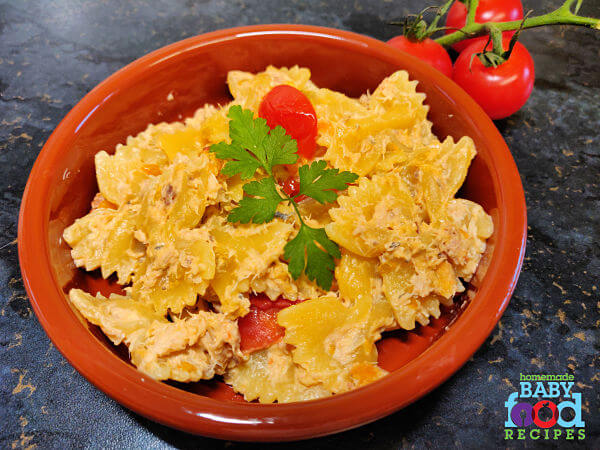
quick and easy pasta recipe …

When should my baby start using a spoon?
You can give your baby a spoon at any time, but he probably won’t be able to actually start feeding himself until at least 10 months of age … and sometimes much later.
Visit the Making Mealtimes Fun section for some great advice on encouraging your baby to feed himself, along with some tips on creating a happy atmosphere at the family dinner table.
You might also like to read our tips for coping with the mess!
My baby refuses to eat from a spoon
My baby still doesn’t like lumpy food
Many babies prefer pureed food to more textured foods – our fourth child, up to the age of 2, would have been delighted if we’d pureed everything!
But learning to chew is important to your baby’s development.
So, although it’s tempting to “give in” and remove those lumpy bits when making baby food, try matching your baby’s stubbornness with your own … and resist!
Serve foods that contain lumps within a sauce – chopped pasta with a creamy sauce is a good example.
Offer your baby plenty of finger foods, which encourage biting and chewing.
And be patient – your baby will eventually get the hang of it!
Overcoming baby feeding problems – tips for introducing lumpy foods
By the end of this stage, your baby may well be enjoying three meals a day, with nutritious snacks in between.
His milk intake will have reduced as he has come to rely mainly on solid foods for his nutritional needs.
Milk is still important, though, so continue to offer it as a healthy alternative to sweet drinks.
When should I give my baby water?
Giving fruit juice to your baby
Making baby food for your little one, and equipping him with the skills to feed himself, are tremendously rewarding.
Congratulate yourself on what you and your baby have accomplished … and take the time to enjoy this wonderful stage of babyhood.
More baby food tips and information…
Would you love to know what your baby is thinking and enable him to communicate his needs to you? See how baby sign language can make it happen!
Introducing spices, herbs and garlic
Eczema and baby food – can diet make a difference?