When Do I Introduce Dairy Foods To Baby?
Many parents are confused about when to introduce dairy foods to baby – mainly because we are advised not to give baby cow’s milk before one year of age (although – in some areas – pediatricians are now recommending offering homogenized milk from as early as 9 months).
The reasons for NOT introducing cow’s milk earlier than this are that
- the protein in cow’s milk is difficult for baby to digest
- cow’s milk is too low in iron to be used as baby’s primary source of nutrition for the 9 to 12 months
The iron in breastmilk is easily absorbed by baby – the iron level in formula is higher than in breastmilk because it is less easily absorbed. In either case, you can be sure that your baby is receiving the iron he needs, which is essential for his physical and mental development.

IMPORTANT NOTE: The information given here is meant as a guide and should not be seen as professional medical advice. Always consult your child’s doctor before introducing any new foods.
What are the health benefits of dairy products?
Milk and other dairy products are excellent sources of
- calcium
- protein
- vitamins A, B12 and D
Learn more about your baby’s calcium requirements here
How To Introduce Dairy Foods To Baby – FAQ
So can I use cow’s milk to cook for my baby?
Although cow’s milk is unsuitable as a primary source of nutrition for much of baby’s first year, it is usually OK to use in small amounts when cooking for your baby. As with all new foods, it’s important to watch out for any signs of allergy or digestive discomfort when you introduce dairy foods to baby.
However, DO NOT INTRODUCE DAIRY FOODS TO BABY BEFORE HIS FIRST BIRTHDAY if there is a family history of allergy to dairy products.
It is also important to make your child’s doctor aware of ANY family history of food-related allergy, as you may be advised to wait until baby is at least a year old before introducing dairy.
Another point to consider is whether or not your baby was colicky when breastfed …
Did you find that you could help settle him by avoiding dairy products yourself? If so, then it may be worth waiting until he reaches at least one year of age before introducing him to dairy.
When can I give my baby yogurt?
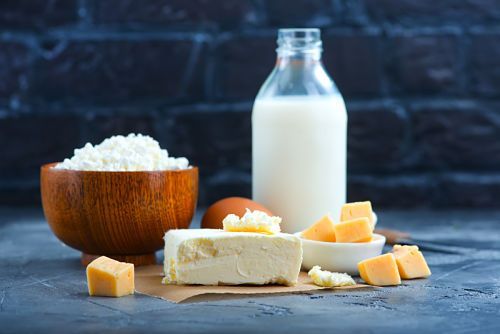
Yogurt is an extremely nutritious food. It contains active cultures which are very beneficial to health and is a good source of calcium.
Unless your baby falls into one of the “higher risk” categories mentioned above – and with your doctor’s consent – you can introduce it to your baby from 6 months.
Look for pure, natural yogurt – many yogurts designed for children are too high in sugar. You can add fruit purees to the yogurt to create a range of flavours, but DO NOT SWEETEN YOGURT WITH HONEY (see baby foods to avoid for more information).
Full fat yogurts are particularly good for baby, as he needs the energy the fat provides. Fat also contains vitamins A and D, benefits which are reduced when the milk is skimmed.
More about yogurt – including a guide to making your own
When can I give my baby cheese?
Cheese is another healthy food for baby, rich in calcium and a great source of energy.
You can usually introduce it to baby from 6 months of age – it’s better to start with milder cheeses (like cottage cheese), although some babies actually love the stronger flavours!
Avoid mould ripened cheeses like Camembert and Brie as they are unsafe for baby at this stage.
More about introducing cheese to baby – plus a list of the safest cheeses and those you should avoid
AS YOU INTRODUCE DAIRY FOODS TO BABY, YOGURT AND CHEESE ARE THE BEST FOODS TO TRY FIRST …
This is because they are easier to digest than other dairy products, as the proteins they contain break down during the fermenting and maturing processes.
Update to the AAP recommendations for Lactose Intolerance
More useful links on our site:
Safely introduce dairy foods to baby – milk allergy and lactose intolerance information
Eczema and baby foods – can diet make a difference?