Infant Soy Allergy And Solid Foods
Infant soy allergy occurs when a baby’s body mistakenly treats a harmless substance – soy – as a harmful one. (See our main allergies page for more information about preventing and identifying reactions to various foods, plus a list of potential allergens).
IMPORTANT: The information given here is meant as a guide and should not be taken as professional medical advice.
If you are concerned that your child may be allergic to any foods, consult a doctor immediately.
And always discuss the introduction of any new foods with a medical professional before giving them to your child.
What is soy?
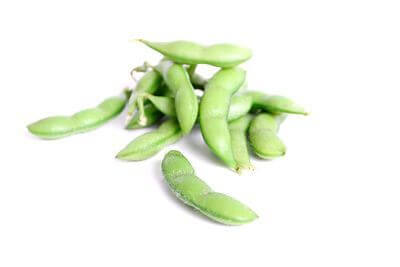
Soybeans are part of the legume family, are very high in protein and contain all eight essential acids. The word “soy” comes from the Japanese word “shoyu”.
Soy is known by various names, including
- soya
- soybean
- glycine max
- Edamame
- natto
- okara
- soja
- tempeh
- yuba
Infant soy allergy – the facts
Allergies to soy are fairly common, particularly among infants. The average age of diagnosis is 3 months – many babies that are allergic to soy are also allergic to cows’ milk. It is unclear which component of soy causes these reactions, but scientists have found soy to contain at least 15 allergenic proteins.
Symptoms of infant soy allergy include
- diarrhea
- vomiting
- irritability
- dermatitis (itchy rash)
- rhinitis
- asthma
- colic-like symptoms
- reflux
What are the risk factors for infant soy allergy?
- Existing allergies to other foods
- Family history of soy or peanut allergy
- Diagnosis of asthma, rhinitis or eczema, or a family history of these conditions
It is also believed that introducing foods containing soy before 6 months of age can increase the risk of infant soy allergy.
Many parents prefer to delay the introduction of soy until at least 8 months, or avoid it altogether for the first year.
NOTE: If your baby is allergic to soy, he may also react to green peas, chickpeas, green beans, lima beans, barley, wheat or rye. These foods should be introduced with care, under the supervision of your child’s doctor.
Infant soy allergy – solid foods
Soy contains many essential proteins, vitamins and minerals – so eliminating it from your baby’s diet means that you need to provide these essential elements from alternative sources.
Please note that this table is meant as a guide – if your baby is allergic to soy, it is important to discuss his nutritive needs with a dietician. These foods are not suitable for babies of all ages – please visit
or Recipes for your 10-12 Month Baby
for guidelines on which foods to introduce to your baby at each stage.
Nutrients of Soy |
Alternative Sources |
|
Protein | |
|
Meat, poultry, green leafy vegetables, kidney beans, whole wheat products (click here for more information about introducing wheat to baby) | |
|
Omega 3 fatty acids |
Wholegrain bread, salmon, tuna, mackerel, ground flax seeds, Omega 3 fortified eggs (do not give baby egg whites for the first year) |
|
Fibre |
Vegetables, fruits and whole grains |
|
Folate |
Kidney beans, lentils, green leafy vegetables |
|
Zinc |
Fish, meat, poultry, vegetables, whole grains |
|
Cheese, yogurt, broccoli, salmon | |
|
Vitamin D |
Salmon, egg yolk |
|
B Vitamins |
Cereal, bread, rice, pasta |
Infant soy allergy – precautions
When you make your own baby food, you can be 100% sure of what it contains, which is very important if your child has an allergy to a particular food.
Soy, however, appears in many forms and in many foods. People allergic to it may react in different ways – and some foods, such as soybean oil (which does not contain protein) may not cause a reaction at all. Nevertheless, it is important to be aware of the foods that may contain it – and to ensure that anyone else who cares for your baby is aware of these foods too!
Foods that may contain soy
- baked goods and baking mixes
- cereals
- bread crumbs
- crackers
- chips/crisps
- soups
- preads and dips
- bean sprouts
- cooking spray
- vegetable oil
- dressings
- gravys
- sauces
- frozen desserts
- canned tuna
Always check the labelling on any commercially prepared foods, as they may contain some form of soy. Look for any of the following ingredients, which are associated with soy –
Infant soy allergy – ingredients derived from soy
- HVP (Hydrolyzed Vegetable Protein)
- TSF (Textured Soy Flour)
- TSP (Textured Soy Protein)
- MSG (Monosodium Glutamate)
- lecithin
- misomono-diglyceride
- natto
- ‘natural flavors’ – these may include soy
- tofu
- vegetable oil
- vegetable protein (this is often soy protein
- vitamin E (contains soybean oil)
Infant soy allergy – will my baby outgrow it?
Most babies do grow out of their allergies to soy, usually by 2 years of age. At that point, an allergist will work with you to decide when to test your baby, to determine if he has outgrown the problem.
Useful links for more information/Sources:
www.childrenshospital.org – Soy Allergy
More articles and recipes…
Giving baby sesame foods – allergy information
When can babies eat spicy food?