How To Safely Prepare Baby Food
Food safety is always important, but when you prepare baby food it is even more significant. Babies are particularly vulnerable to illness caused by food borne bacteria – and the consequences can be far more severe.
Certain foods, particularly eggs, fish, raw poultry and raw meat, may contain bacteria such as E. coli and salmonella, which are responsible for food poisoning. Campylobacter, another type of bacteria, is one of the most common causes of diarrhea in the US and can be found in poultry and unpasteurized milk .
If you prepare baby food on unclean surfaces, or with dirty hands, you may contaminate foods with these bacteria.
But hygiene in the kitchen is mostly a matter of common sense – and we have put together a list of our top tips to help you safely prepare and store baby food – thereby avoiding the risk of food poisoning…
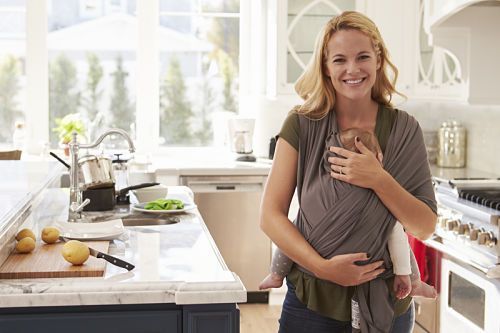

- Use a fridge thermometer. Your refrigerator should run no higher than 40 deg F (4 deg C). When you are using it to store food for your baby, it is very important that you are absolutely sure of its temperature.
- When you need to put raw meat or fish in the refrigerator, wrap it up and store it on the bottom shelf. This avoids it contaminating foods stored beneath it.
- Make sure that the air in your refrigerator is circulating effectively. If you put too much in your fridge, it may not keep all the items at an adequately low temperature.
- Before you prepare baby food, wash your hands thoroughly with hot soapy water. You should also do this when you switch from handling raw foods to cooked ones.
- Make sure that your surfaces are scrupulously clean. You can achieve this by washing them thoroughly with hot, soapy water. Despite what the advertisers will have you believe, you do not need special anti-bacterial cleaners or wipes!
- Make sure that you change your dish-washing sponge on a regular basis and that it is always kept clean (soaking it overnight in bleach is a good idea). Be sure to wash your tea towels regularly, too!
- Before you cook frozen foods for your baby, thaw them completely in the refrigerator overnight.
- Always cook food to a minimum internal temperature of 160 deg F (70 deg C), which will kill virtually all bacteria, viruses and parasites. (Some meats may require a slightly higher temperature – see this table from the USDA for more specific temperatures for different foods).
- When you prepare baby food – particularly poultry, meat and eggs – make absolutely sure that it is cooked through. It is also important to thoroughly reheat any foods that you have previously prepared.
- Use two cutting boards in your kitchen – one for raw meat/fish and another for vegetables and fruits. To prevent cross-contamination, you need to make sure that raw foods never come into contact with cooked ones.
- Always wash vegetables or fruits that you are planning to prepare for your baby under running water.
- Once you have cooked your baby’s food, you should serve it to him as soon as it has cooled enough for him to eat. Take out as much as he needs for his meal and refrigerate or freeze the leftovers as soon as possible – don’t leave them sitting at room temperature.
- You can limit the growth of bacteria by cooling foods very rapidly – to do this, store food that you have prepared for your baby in shallow containers.
- It is not recommended that you give your baby unpasteurized milk or fruit juice. This is because it will not have been processed to remove potentially harmful bacteria. If you are in any doubt, check the label or contact the manufacturer.
- Always keep pets away from your baby’s food and make sure that it is adequately protected from insects.
More Tips for Preparing Baby Food...
Should I peel fruits and vegetables for my baby?
Must fruits and vegetables for baby always be cooked?
Making baby food with frozen vegetables and fruits
Making baby food with canned vegetables and fruits